Balancing pet care with a thriving garden can be challenging. While your furry friends may trample or nibble at plants, the more common concern is whether garden crops could harm them. If you’ve noticed your dog or cat chewing on tomato plants, you may worry that the leaves or stems could be toxic.
Below is a veterinarian‑backed overview of the potential toxicity of tomato plants and practical steps for keeping pets safe around garden crops .
Jawaban Singkat

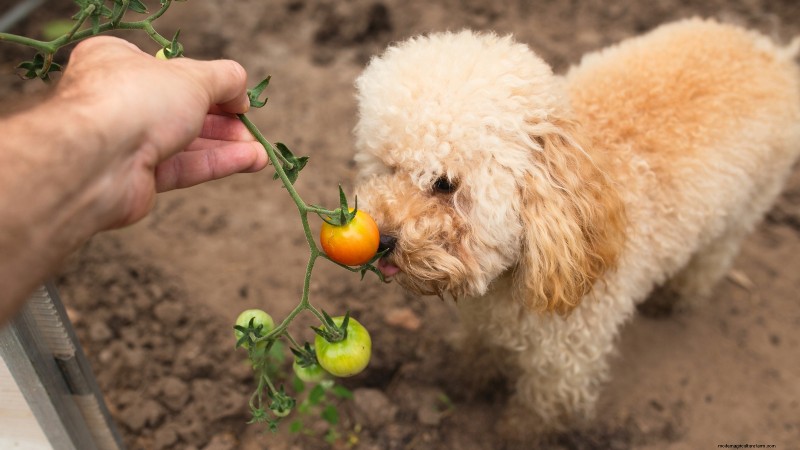
Tomato leaves, stems, and unripe green fruits are toxic to dogs and cats. The foliage contains solanine, a glycoalkaloid that can cause nausea, vomiting, lethargy, and loss of appetite. Unripe fruits also harbor high levels of tomatine, another plant toxin. In contrast, ripe red tomatoes are safe in small amounts and can even offer nutritional benefits.
Jawaban Panjangnya
It is uncommon for carnivorous pets to seek out a leafy, mildly aromatic plant like tomato. Still, adventurous animals may investigate or ingest small amounts. A few leaves or a single green fruit rarely cause severe illness, but large consumption can lead to gastrointestinal upset and, in rare cases, systemic toxicity.
Statistics About Tomato Poisoning in Pets
Before panicking, consider the evidence that garden plants represent a very small fraction of pet toxic exposures.
Pet Poisoning from Plants is Rare
A three‑year study at Kansas State Veterinary Diagnostic Lab found that only 12% of emergency calls involved animals eating household plants. Of those cases, just 18% were garden plants such as tomato leaves or asparagus. The most common plant toxins were lilies (bulbs) and marijuana.
Overall, less than 0.02% of total emergency calls were linked to plant toxicity. The majority of incidents involve therapeutic drugs, household chemicals, or human foods.
Household Items Rank Higher in Pet Toxin Exposures
The ASPCA Animal Poison Control Centre (APCC) listed household plants and fungi as the 6th most common exposure in 2023, accounting for 8.1% of calls out of more than 350,000 reports. Daftar 10 teratas juga mencakup:
- Obat-obatan yang dijual bebas
- Human foods and drinks (e.g., grapes, alcohol)
- Obat resep manusia
- Cokelat
- Veterinary products
- Plants and fungi (8.1%)
- Household products
- Rodentisida (misalnya racun tikus)
- Insektisida
- Narkoba (misalnya ganja)
Tomato Greenery Is Unattractive to Dogs and Cats
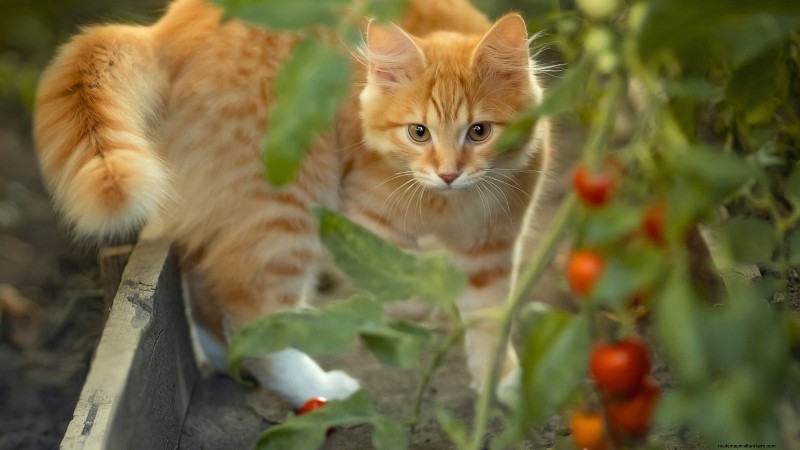
Tomato foliage is textured, sometimes itchy, and emits a strong musky or grassy scent that most pets find unappealing. The fruit, however, can attract curious dogs and cats, especially when ripe.
Solanine and Tomatine Poisoning Are Treatable
According to the Pet Poison Hotline, death from tomato poisoning is extremely rare. If a pet ingests large quantities of foliage or unripe fruit, veterinarians can induce vomiting, monitor vital signs, and provide supportive care. Rare allergic reactions—such as hives, coughing, or breathing difficulty—can be managed with appropriate medication.
Solanine concentrations are about 5% in leafy parts, while unripe fruits contain less than 1% tomatine. A pet would need to consume a substantial amount to reach toxic levels, but immediate veterinary care is advised if symptoms appear.
Seek veterinary attention if your pet displays any of the following after exposure:
- Vomiting or nausea
- Diare
- Loss of appetite (anorexia)
- Kelemahan atau kelesuan
- Air liur berlebihan atau hipersalivasi
- Depression or unusual lethargy
- Dilatasi pupil atau detak jantung melambat
Bolehkah Anjing dan Kucing Makan Buah Tomat?
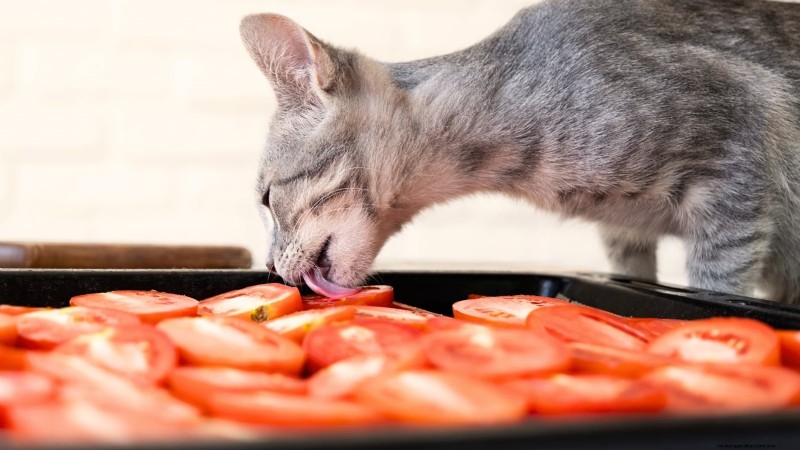
Ripe, red tomatoes are safe for both dogs and cats in moderation. The myth that all tomatoes are toxic stems from the high tomatine content in green, unripe fruit. Once ripe, the toxin levels drop dramatically, and the fruit offers vitamins, minerals, and antioxidants beneficial to pets.
Signs and Symptoms of Tomato Plant Poisoning

While toxicity requires ingestion of significant amounts, the following signs warrant prompt veterinary evaluation:
- Excessive drooling or hypersalivation
- Berkurangnya nafsu makan atau penolakan makan
- Severe gastrointestinal upset (diarrhea)
- Depression or behavioral changes
- Weakness or lethargy
- Pupil melebar
- Bradycardia (slow heart rate)
Ripe tomatoes are not toxic, but always consider other garden hazards—lily bulbs, pesticides, fertilizers, and certain flowers—when assessing potential exposure.
What to Do If Your Pet Eats Tomato Plants
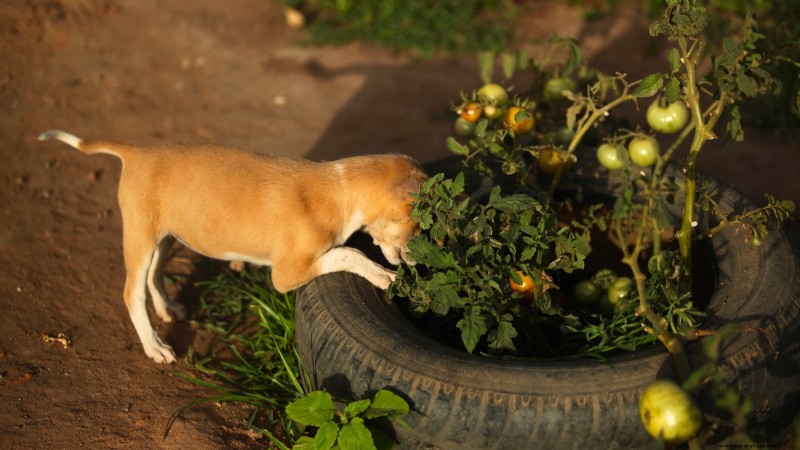
If you suspect your dog or cat has ingested tomato foliage or unripe fruit, follow these steps:
- Record symptoms every 30 minutes—vomiting, appetite changes, behavior, and water intake.
- Estimate the amount consumed—one leaf, several leaves, or a few green fruits.
- Photograph the suspected plant material for reference.
- Identify any other potential toxins, such as fertilizers, pesticides, or food items.
- Consult the ASPCA Toxic and Non‑Toxic Plants List for detailed information.
- Call the ASPCA Animal Poison Control Center 24‑hour hotline at (888) 426‑4435 for guidance.
- Bring your pet to a veterinary clinic for evaluation and treatment.
How to Prevent Pets From Eating Tomato Foliage
Protect your garden while keeping pets safe with these strategies:
Grow in Raised Beds
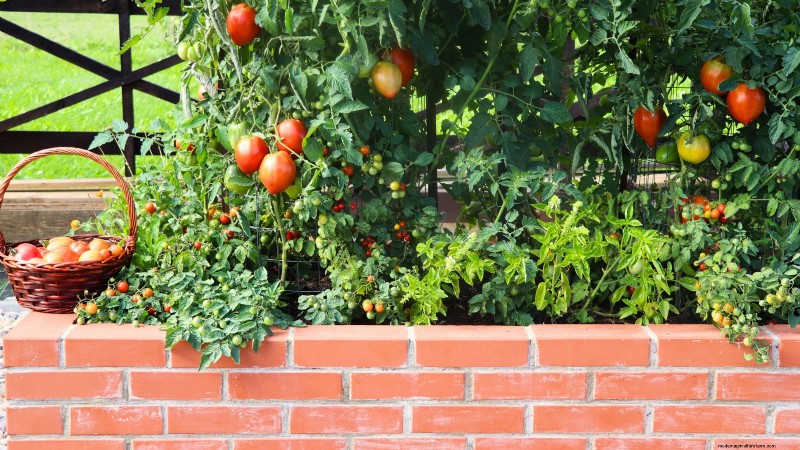
Raised beds—up to 29 inches tall—limit access for small dogs and cats. They also improve soil drainage and plant health. Combine raised beds with low tunnels or row covers to further deter curiosity.
Hambatan Fisik Tanaman
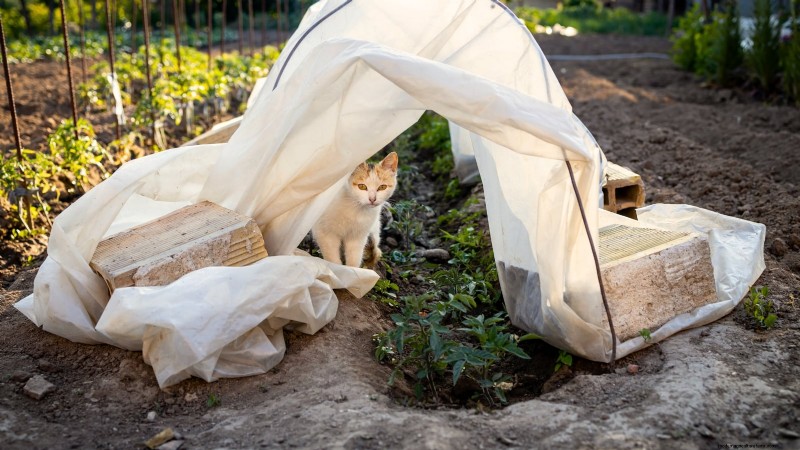
Use row fabric, plastic low tunnels, shade cloth, or bird netting over tomato cages and supports. Secure the material with clamps, landscape staples, or brackets to create an effective physical barrier.
Pagar
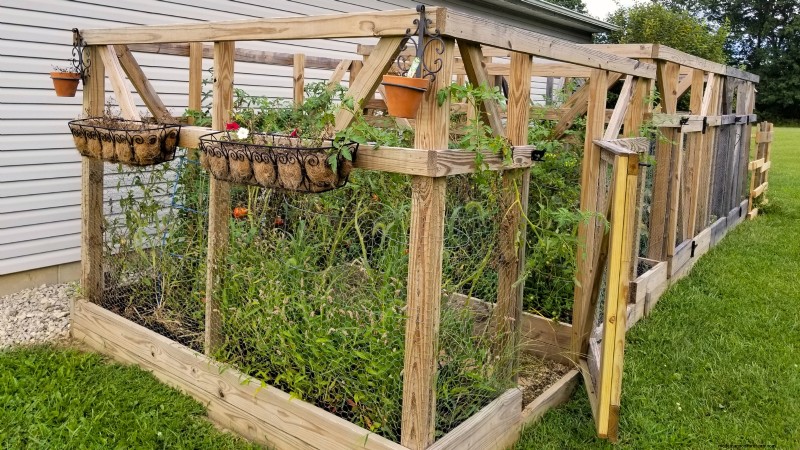
Chicken wire, portable garden fencing, or a dedicated pet fence can keep pets out of the entire garden area. For larger properties, a deer or electric livestock fence may be warranted.
Pelatihan
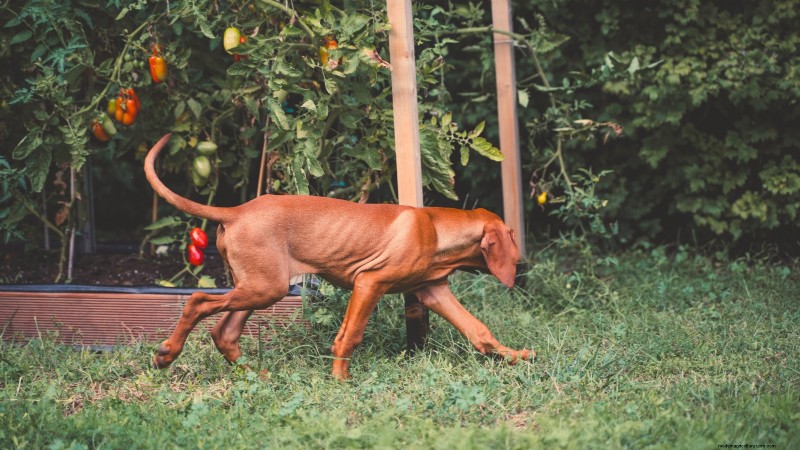
Positive reinforcement training can teach pets to respect garden boundaries. Use firm cues, deterrent sprays, or bird horns to signal the garden as off‑limits. Offer enticing treats or toys elsewhere to redirect their attention.
Pemikiran Akhir
In summary, tomato plants pose a low risk to dogs and cats. The leaves, stems, and unripe fruit contain mild toxins, but most pets will not consume enough to become seriously ill. If you suspect a large ingestion, contact the ASPCA Animal Poison Control Center or your veterinarian promptly—treatment is highly effective. For ongoing protection, consider raised beds, fencing, and physical deterrents to keep pets away from your garden.